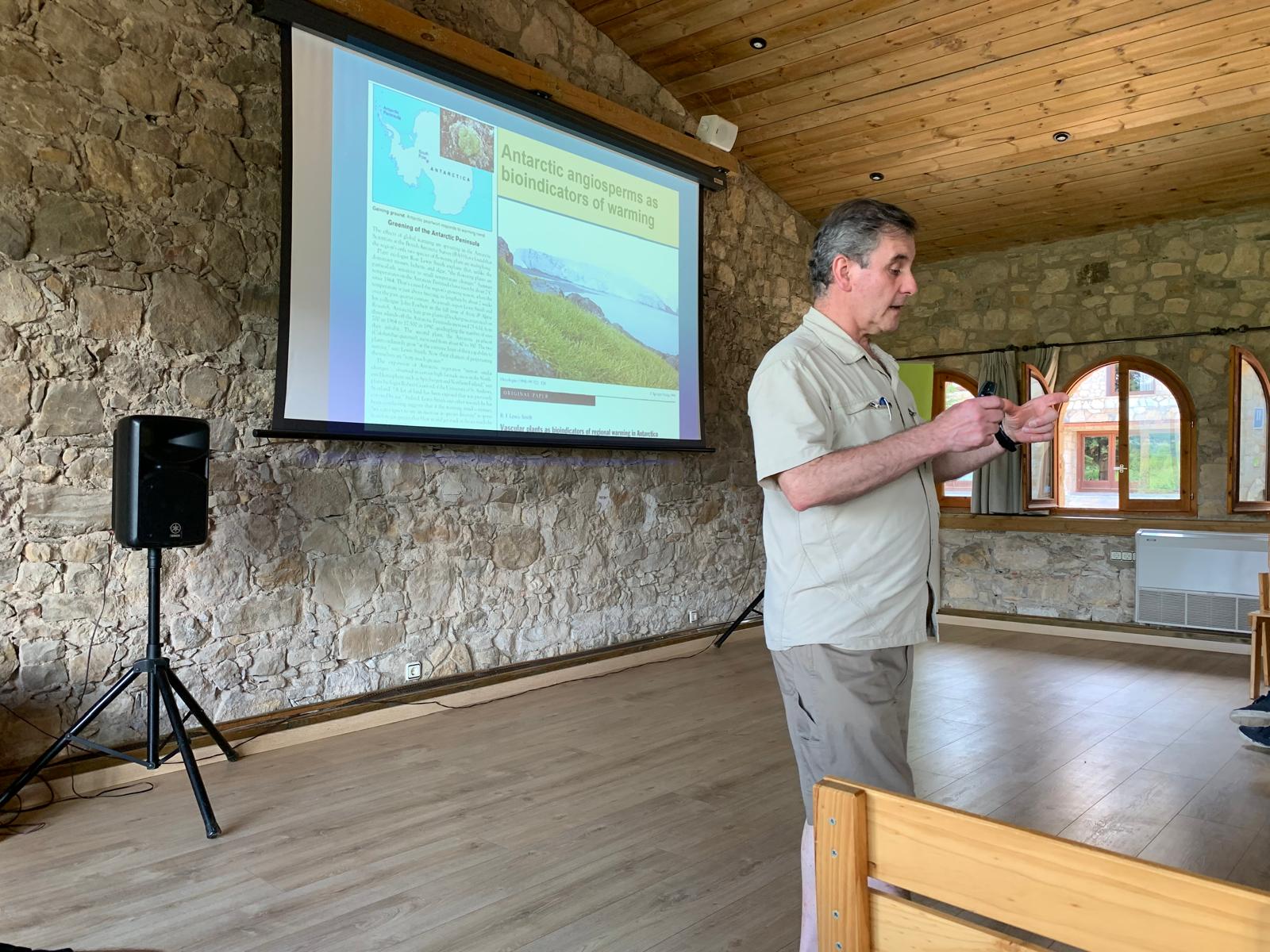
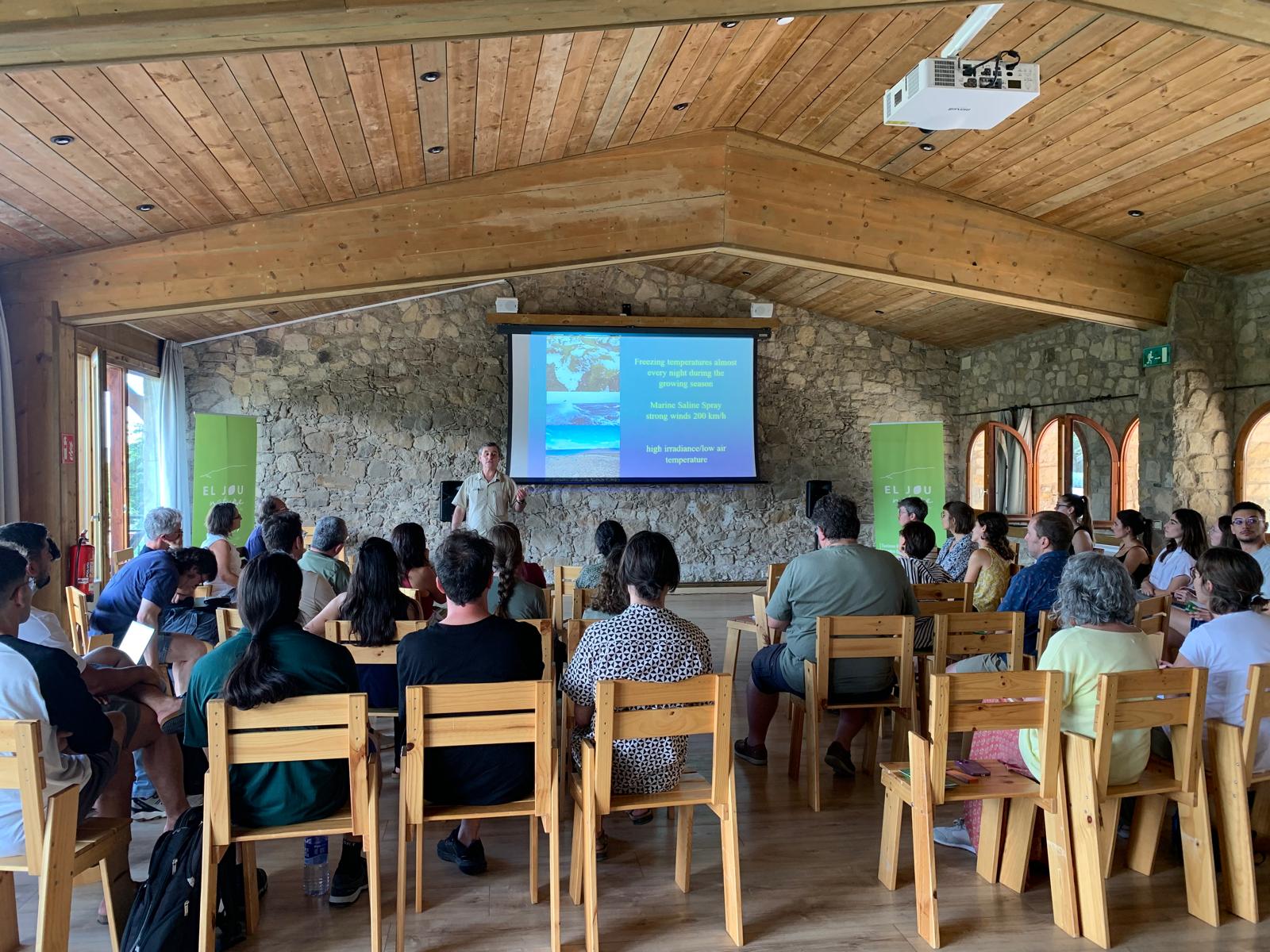
A central theme of this year's programme was studying how plants can withstand abiotic stress, such as drought, extreme temperatures, salinity and nutrient limitations. Researchers presented new findings on topics such as desiccation tolerance, freezing resistance, hydraulic functioning, physiological acclimation, and the adaptive traits that enable plants to survive in challenging environments, ranging from the Antarctic tundra to Mediterranean shrublands and tropical forests.
The meeting also showcased research with direct applications for ecosystem restoration, conservation, and sustainable agriculture. Topics included improving the drought resilience of crops, seed priming technologies, the restoration of arid landscapes, beneficial plant–microbe interactions, and physiological strategies that could contribute to making agricultural ecosystems more resilient to climate change.
Another highlight of the colloquium was its focus on emerging technologies in plant science. The final sessions explored the use of dendrometers, multispectral and hyperspectral imaging, metabolomics and artificial intelligence to detect and predict plant stress responses. This opens up new possibilities for monitoring ecosystem health and crop performance.
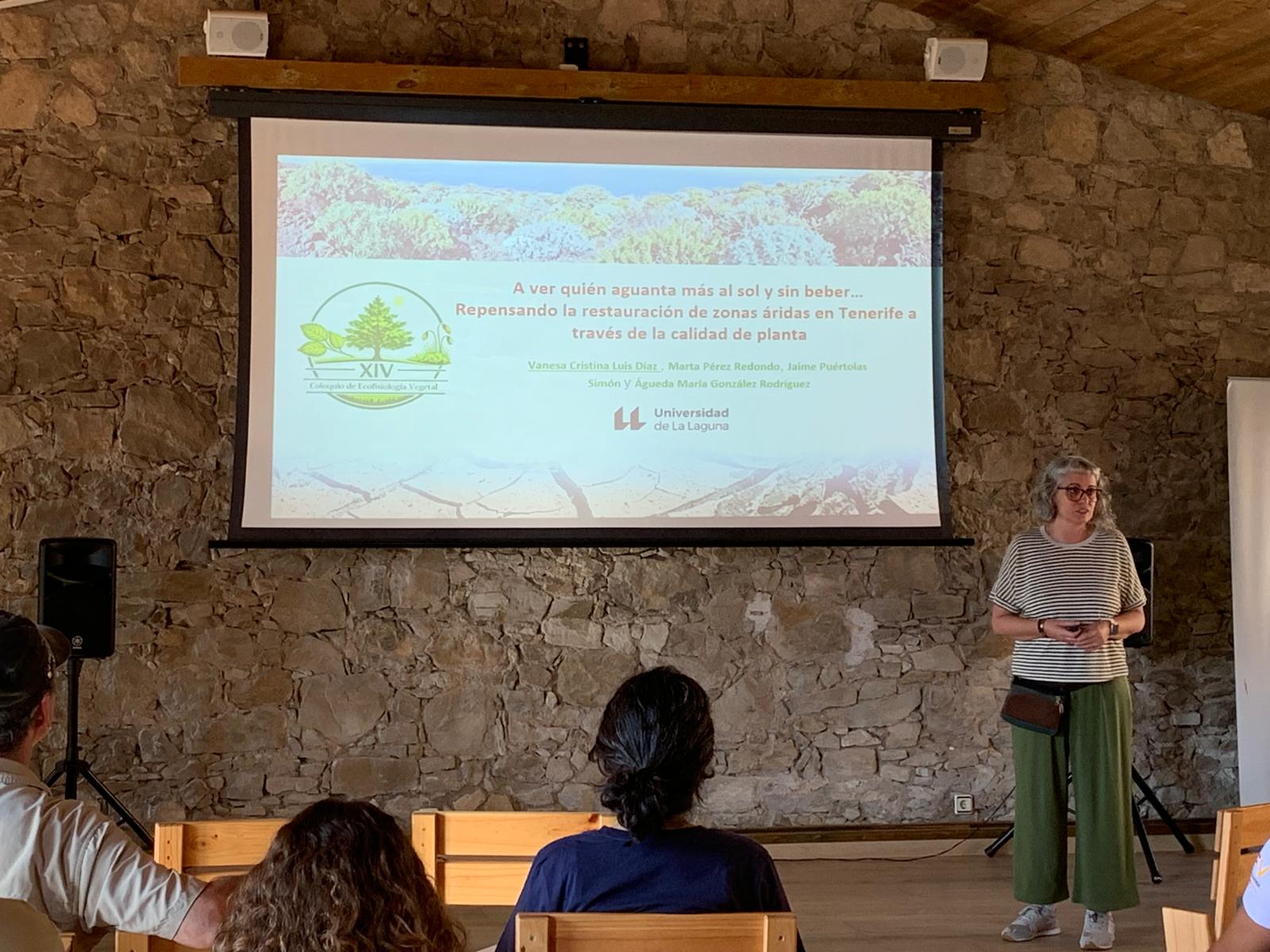

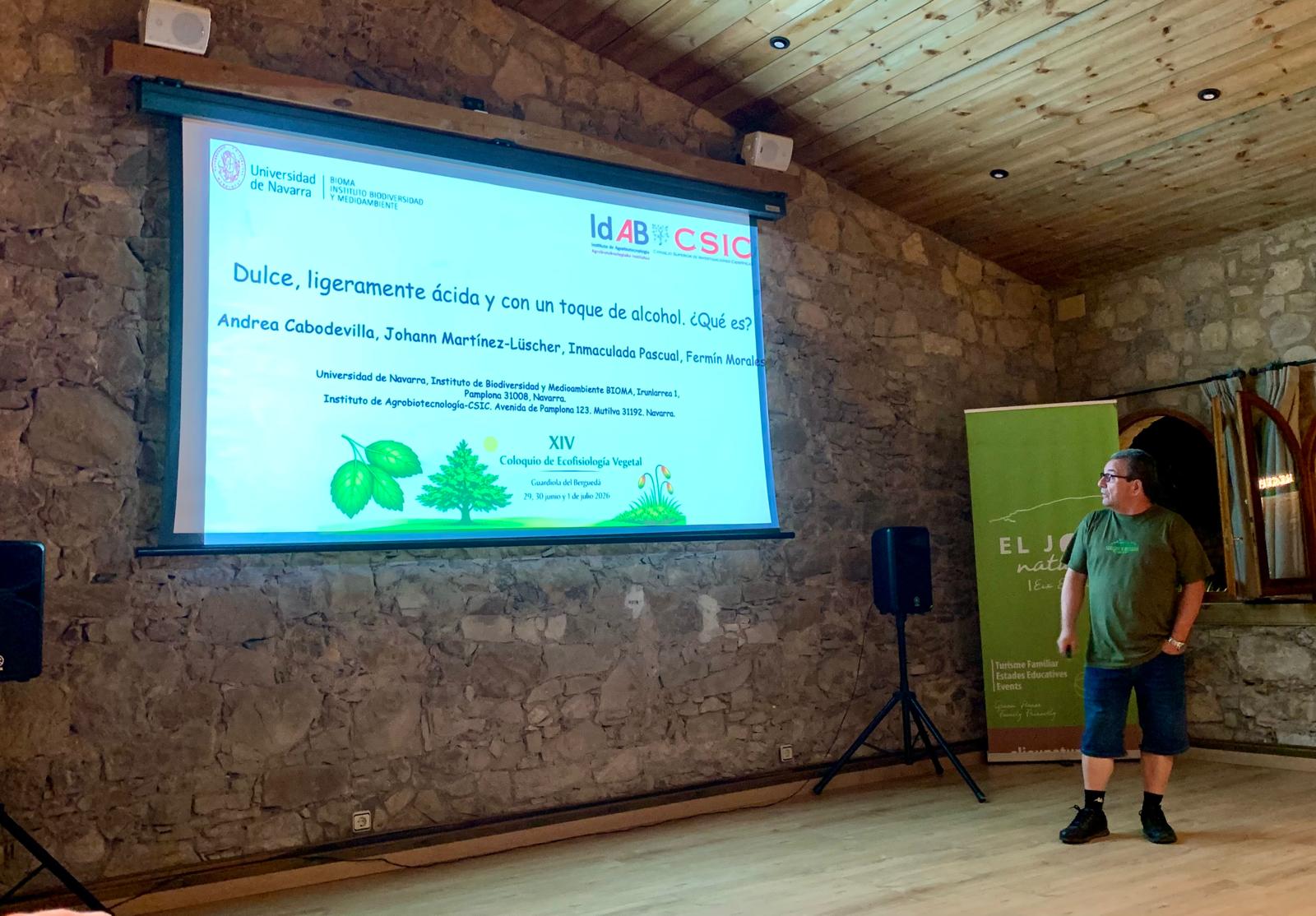
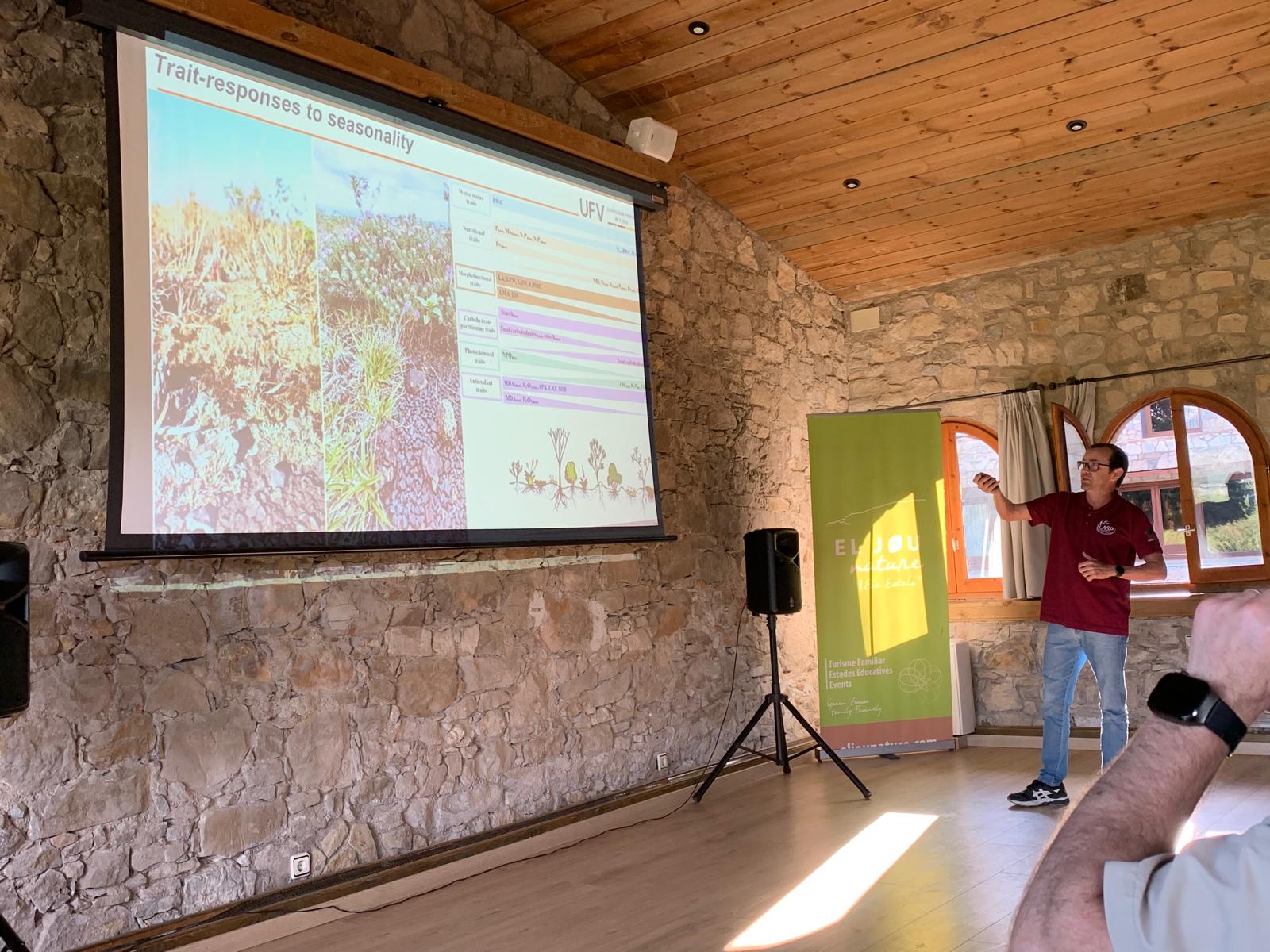
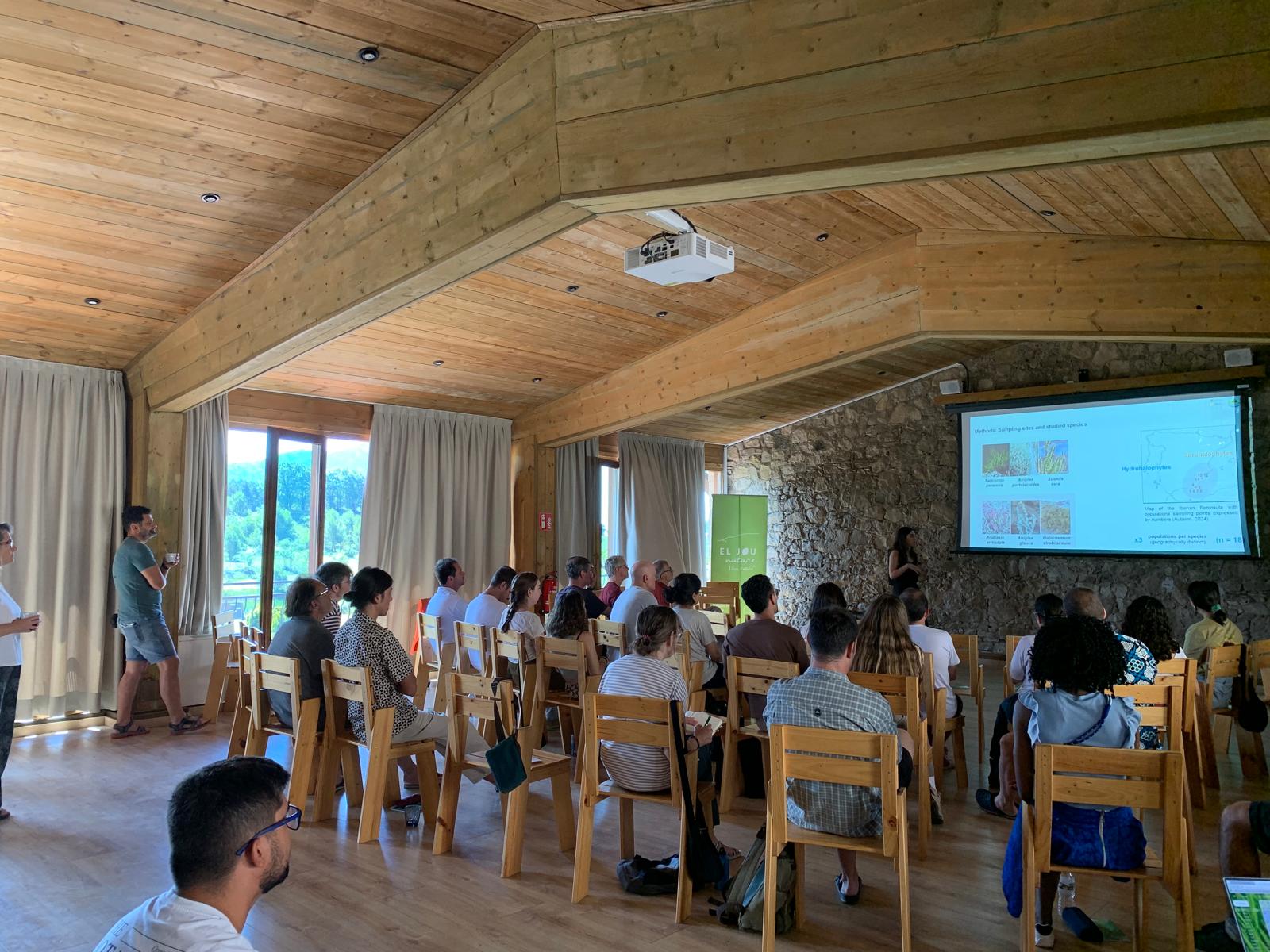
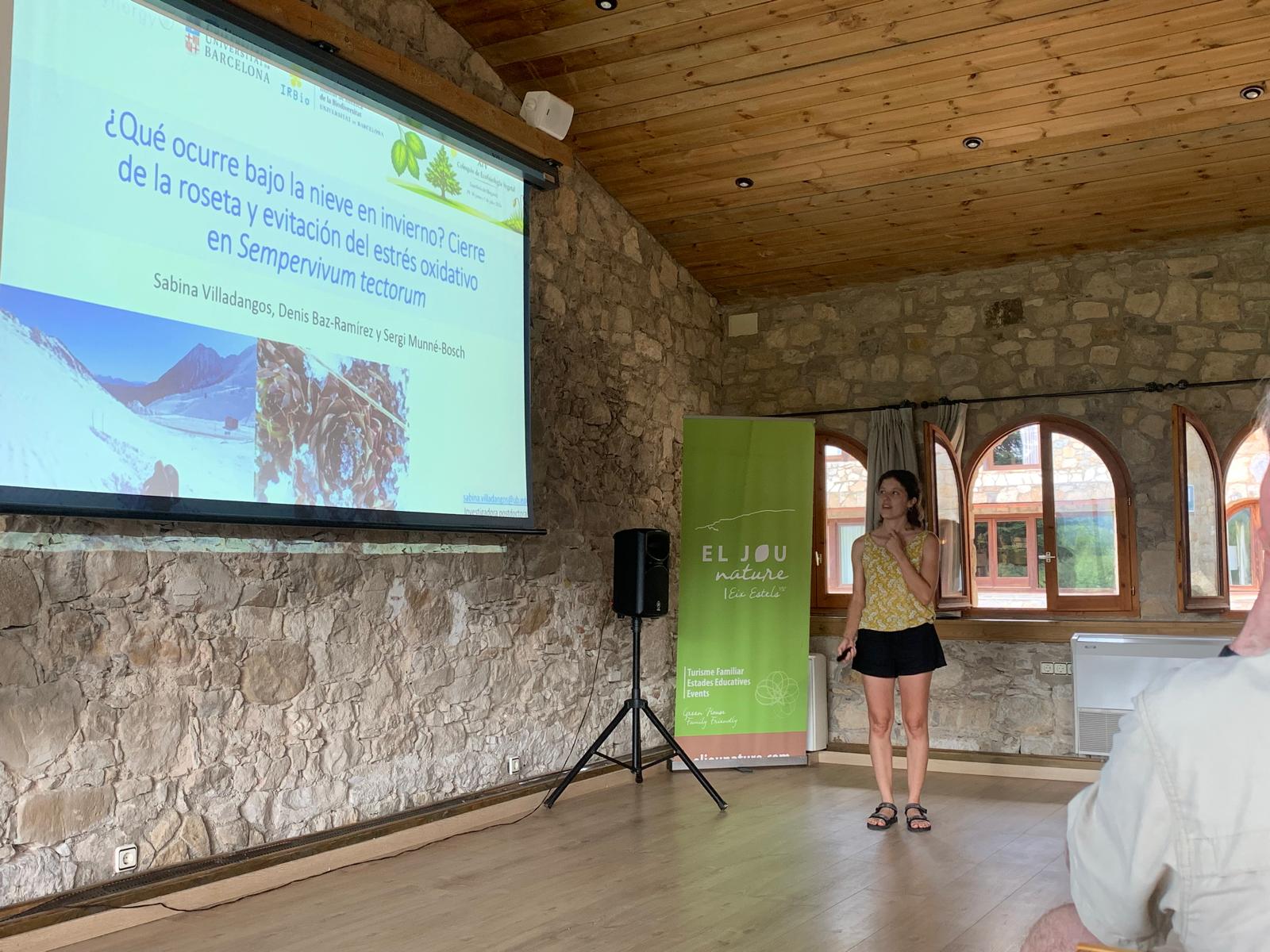
In addition to scientific presentations, participants engaged in several round-table discussions addressing key challenges facing the discipline. These included translating large datasets into biological understanding, the societal impact of plant science research and the future of plant ecophysiology by 2030.
The programme also included a field trip to the Cingles de Vallcebre in the Berguedà region of Catalonia. Crossing pine forests, mountain grasslands and rocky cliffs, the route offered participants a unique opportunity to observe ecological gradients and plant communities in a natural setting, while also fostering scientific exchange beyond the conference hall. By bringing together experts working across scales — from molecular mechanisms to ecosystem processes — the XIV Plant Ecophysiology Colloquium highlighted the growing importance of plant ecophysiology in addressing global challenges such as climate change, biodiversity conservation, and sustainable agriculture.
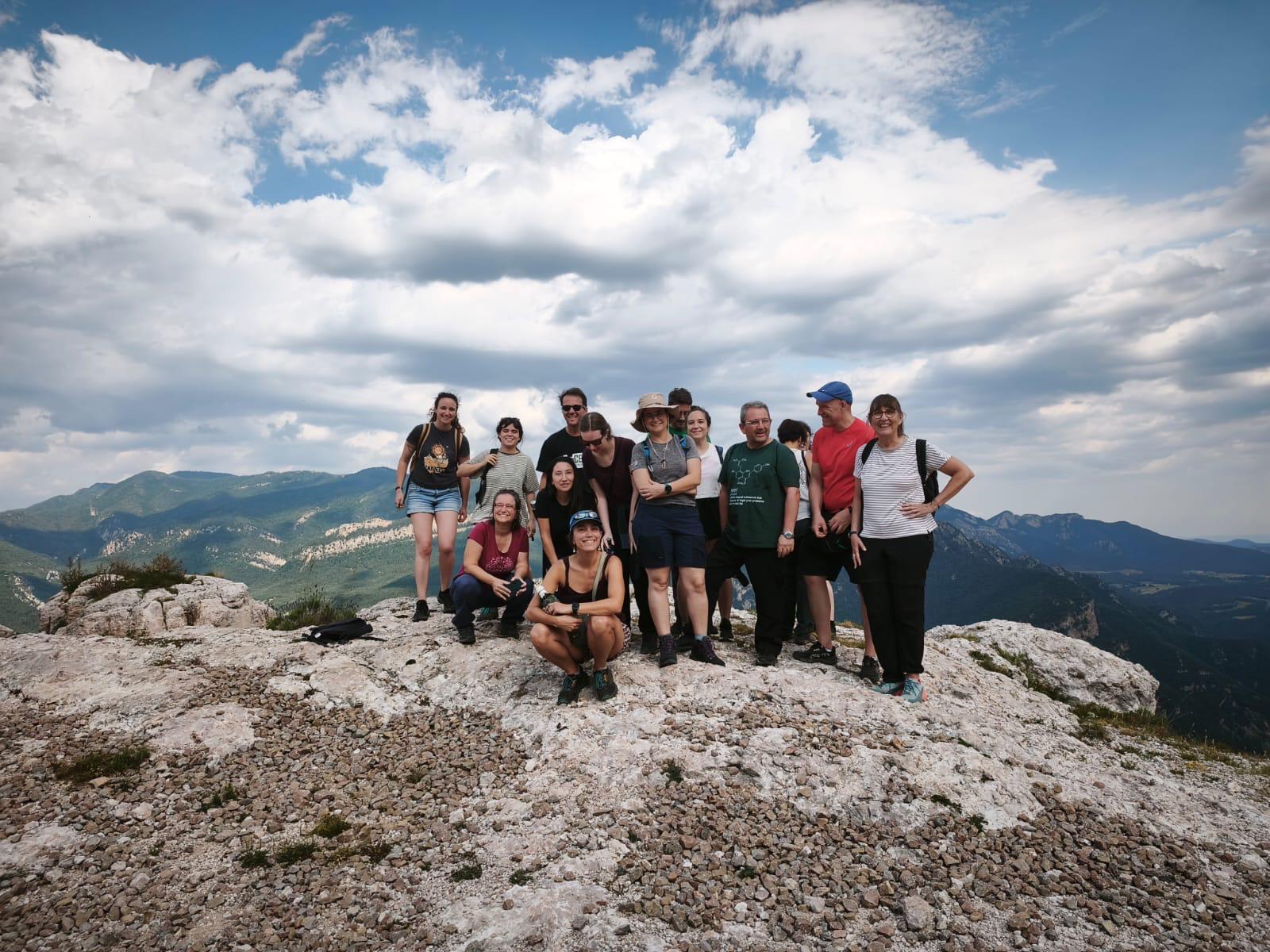

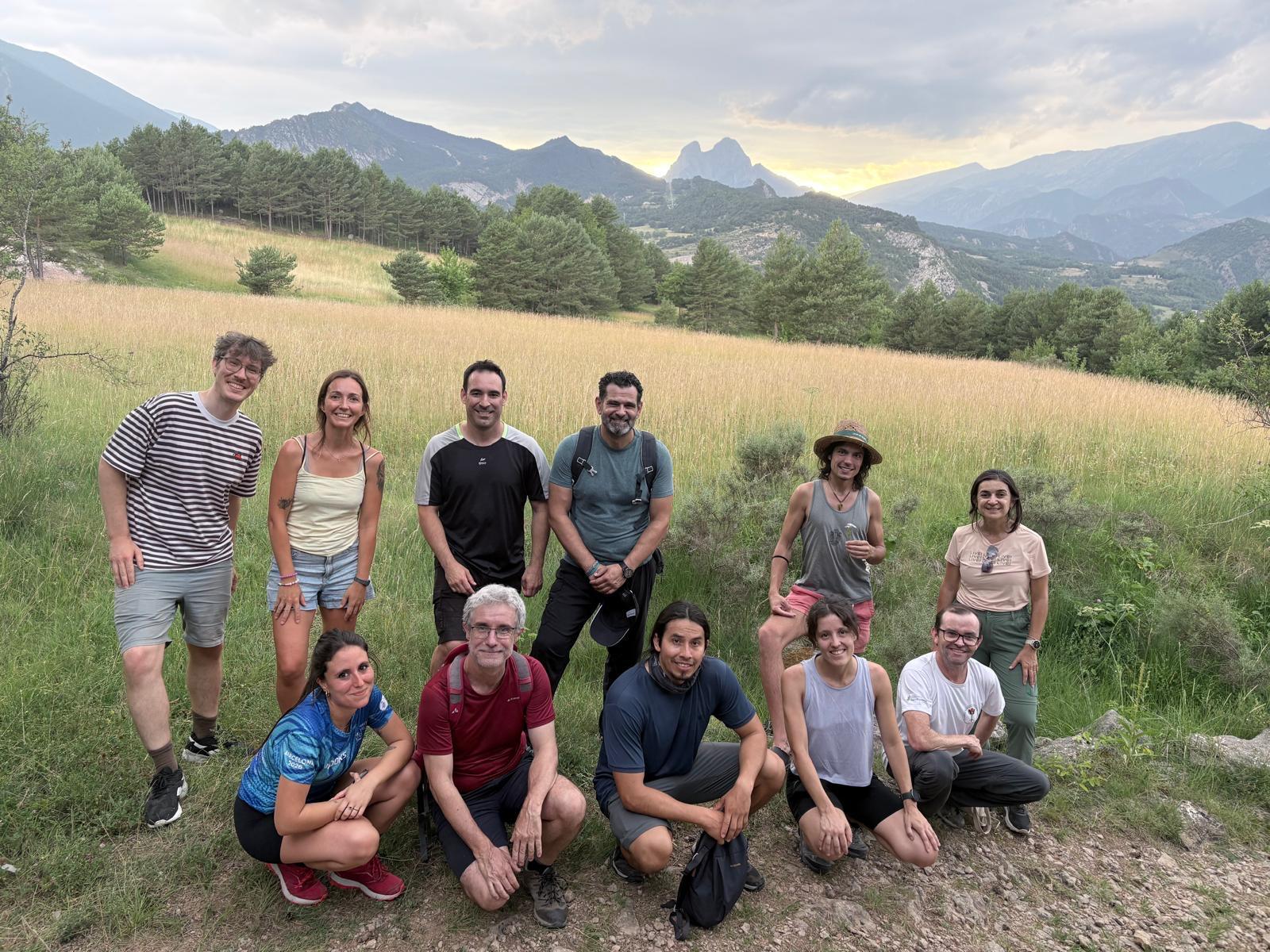
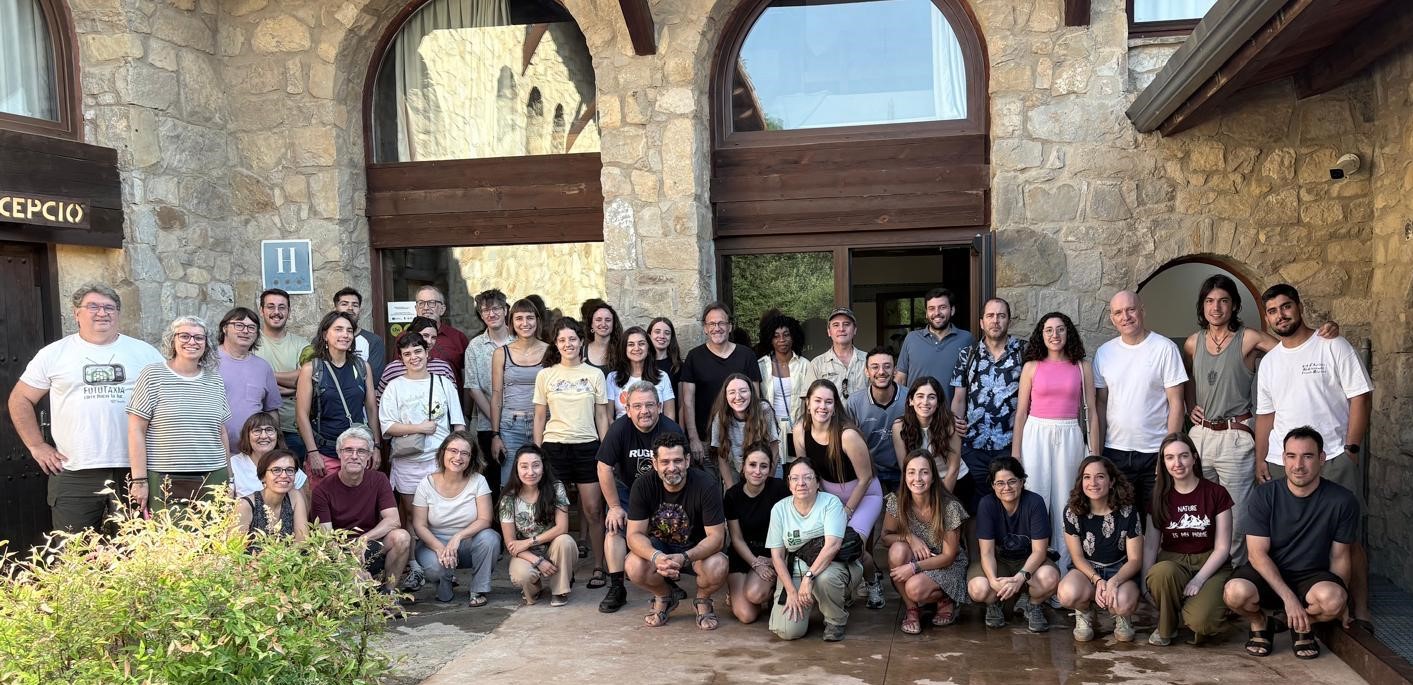
On behalf of the organizing committee, we would like to thank all the participants for their valuable contribution to the colloquium.
See you in the next edition!